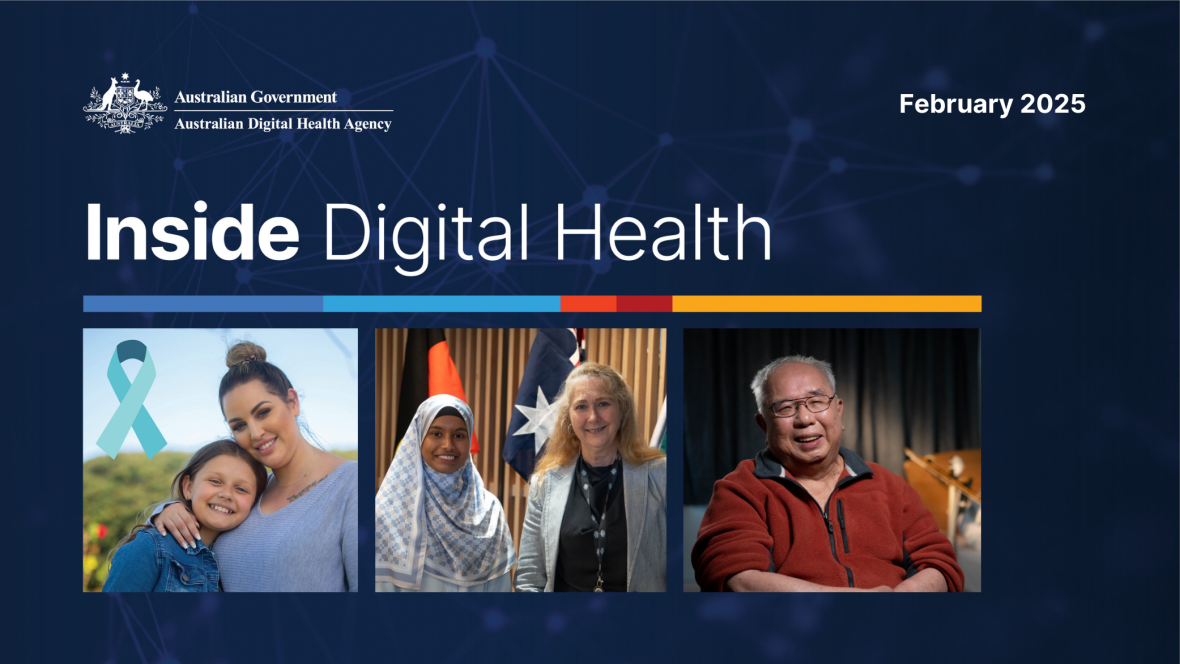
In the February edition of Inside Digital Health, we're looking at an online lifestyle trial program that's helping to improve cognition in older adults, delving into the recent funding announcement backing Australia's research into climate change and related health impacts, and showcasing the young women in STEM who have chosen the Australian Digital Health Agency to launch their careers.
In our feature article, you can read about why Ovarian Cancer Australia are committed to turning February teal and how you can show your support for women diagnosed with ovarian cancer.
What would you like to see in Inside Digital Health? Let us know in the comments or by emailing social@digitalhealth.gov.au.
Subscribe to Inside Digital Health on LinkedIn
Ovarian Cancer Awareness Month: Turning February Teal
Every day, 5 Australian women are diagnosed with ovarian cancer, a disease with the lowest 5-year survival rate of any female cancer – just 49%. In comparison, breast cancer has a survival rate of 92%. Yet only 31% of Australians recognise ovarian cancer as the most lethal women's cancer. This Ovarian Cancer Awareness Month, we need your help to change that.
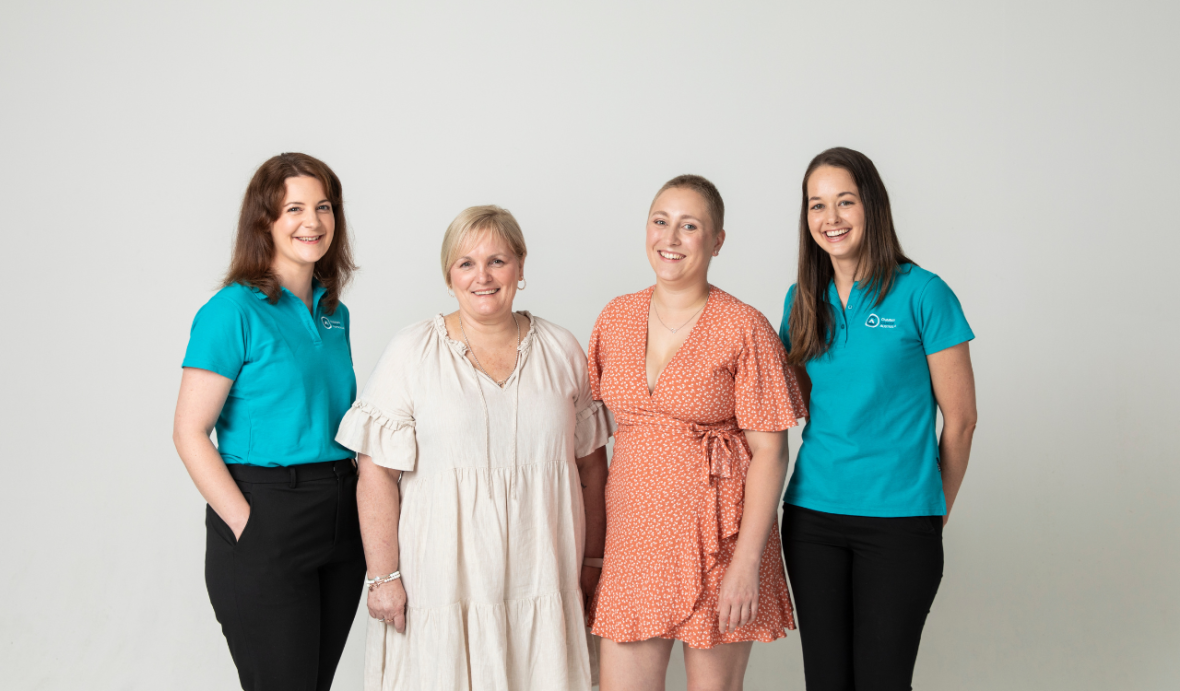
At Ovarian Cancer Australia (OCA), we're committed to providing the care, information and resources to the 5 women diagnosed every day.
'Women diagnosed with ovarian cancer face a complex and often overwhelming experience. At OCA, we aim to ensure these women have access to timely, expert personalised care, from diagnosis to treatment and beyond,' shares OCA's Acting Chief National Ovarian Cancer Advocacy and Support Services, Bridget Bradhurst.
'Our model harnesses digital services to enable OCA's specialist team to reach women across Australia impacted by ovarian cancer, no matter who they are or where they live, offering tailored resources and a supportive network to guide them through each stage of their care.'
Digital support for women throughout their experience
OCA's Teal Support Program offers a government-funded specialist support service, delivered via telehealth, to connect women diagnosed with ovarian cancer with expert gynaecological cancer nurses for personalised, evidence-based support. With more than 1,500 women already benefiting from this program, including many from regional and remote areas, this service provides essential guidance and reassurance to those who need it most.
'Our Teal Support Program and other digital initiatives ensure that no woman has to face ovarian cancer alone. Whether women live in the city, a regional area, or a remote community, these resources ensure that they receive the information and care they need at every stage,' says Bridget.
Alongside the Teal Support Program, the CareHub is another of OCA's valuable digital platforms providing immediate access to a wide range of information and support. It offers everything from support groups and educational videos to practical tools and articles. This resource helps women and their families manage both the emotional and practical challenges of an ovarian cancer diagnosis, ensuring they have access to help whenever it's needed.
How you can help
This month and beyond, wear a teal ribbon to raise awareness for ovarian cancer. It's a simple yet powerful way to start important conversations that show support for women affected by this disease, educate others, advocate for early detection and elevate awareness to ensure that no woman walks alone.
If you or someone you know is experiencing ovarian cancer, you can learn more about the Teal Support Program on the Ovarian Cancer Australia website.
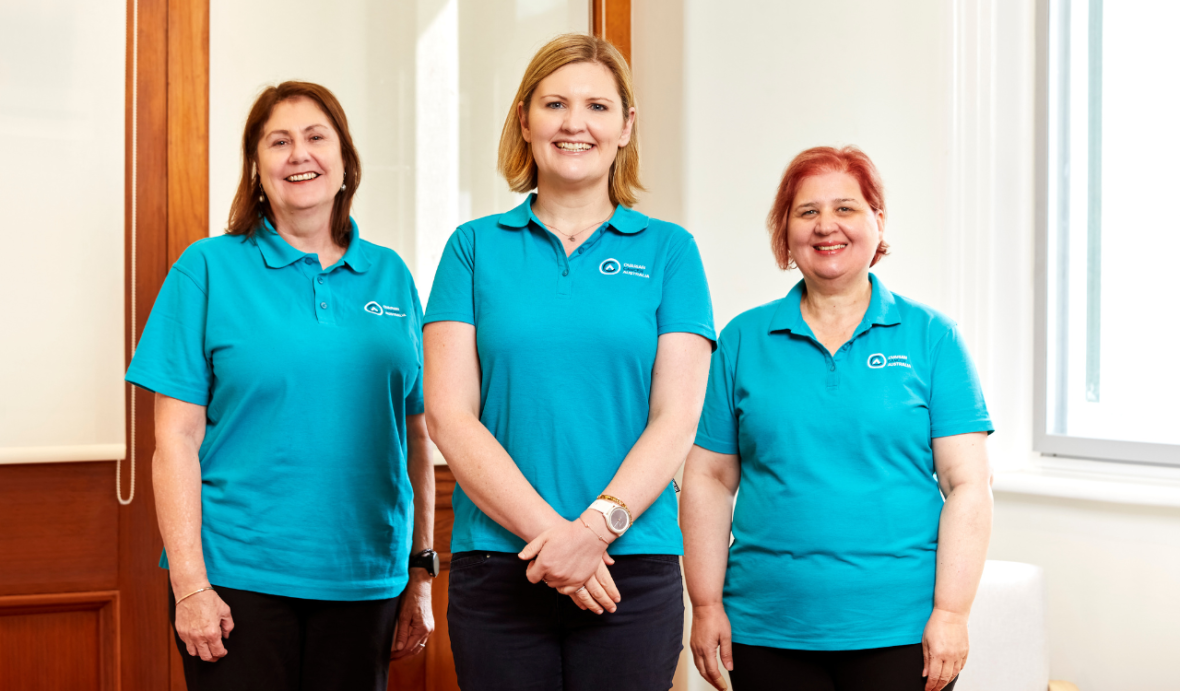

Using the internet to prevent cognitive decline
A new internet-delivered clinical trial has shown promising improvements in the cognition of older adults thanks to an online lifestyle intervention program.
The trial, known as Maintain Your Brain, was conducted by UNSW Centre for Healthy Brain Ageing (CHeBA). It's the largest internet-based trial ever conducted to prevent cognitive decline and dementia, engaging over 6,000 participants aged 55–77 with at least 2 of the major risk factors for dementia. The online program provided participants with 4 key modules to follow across physical training, nutrition, brain training, and anxiety and depression reduction.
Project lead Professor Henry Brodaty AO has said the program has shown promising results: 'This intervention is scalable with the potential for population-level roll-out that may delay cognitive decline in the general community. We could essentially reduce worldwide dementia prevalence if this trial were implemented to the wider population.'
A new push in Australian health and climate research
The Australian Government is investing almost $11 million to build Australian research capacity in climate change and related health impacts in response to the National Health and Medical Research Council (NHMRC) 2024 Targeted Call for Research on the topic.
The funding will support 10 research teams with the goal of improving our understanding of current and future impacts of climate change on the health and wellbeing of Australians and on the demand of our health system.
Research will focus on youth mental health and the environment, resilience enhancement for worker fatigue, recovery and safety in the heat, and the impact of climate on vector-borne zoonoses in Australia (viruses, bacteria or parasites that are transmitted to humans from animals or insects).

Young women in STEM choose Australian Digital Health Agency to launch their careers
Did you know that women make up more than half of the graduates starting their working life at the Australian Digital Health Agency? It's a promising step, as women represent only 15%* of the science, engineering, technology and mathematics (STEM) workforce in Australia.
Of the 20 graduates commencing with the Agency, 12 are women and half are sub-specialising in STEM-related fields, including data analytics and information technology.
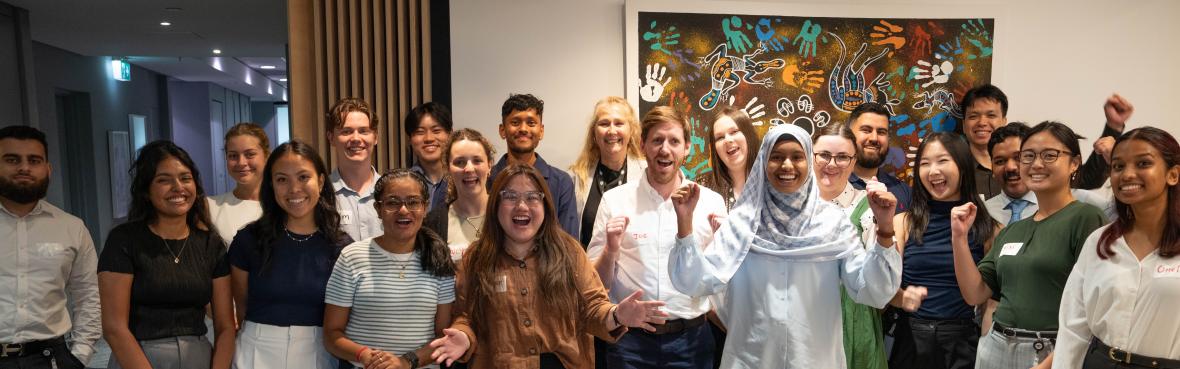
Nusrath Ameena Nasar is in her second week as a data graduate at the Agency and said while studying a Bachelor of Data Science she was often 1 of only 2 or 3 women in the classroom.
'Typically, data science has been seen as a male-dominated field; however, with a love of mathematics I was keen to pursue this as a career and find out what opportunities lay ahead. I chose the Agency program as I am interested in the future of healthcare and how technology can be used to help people,' Ms Nasar said.
'To other women considering a career in data science, I say take the leap and don't be discouraged if it feels overwhelming at first. It all comes together in time, and there are countless rewarding career opportunities in this field.'
The 2025 graduates will be working in their specialties across the Sydney, Brisbane and Canberra offices where they will be provided with a comprehensive understanding of digital health, enabling them to launch their careers at the Agency.
Interested in becoming a future grad?
Recruitment for 2026 APS Graduate Programs begins 3 March. Candidates can apply via the APS Jobs website, preferencing the Australian Digital Health Agency.
A quick glimpse of the women who make up our workforce
- The Australian Digital Health Agency workforce is 54% women.**
- Half of our Board are women, as is our Chair, Ms. Lyn McGrath GAICD CEW.
- Half of our executive leadership team is women, as is our CEO, Ms. Amanda Cattermole PSM.
- Our Chief Clinical Adviser (Medicine) and Chief Clinical Adviser (Nursing) roles are both held by women.
Additional information and sources
*Government data: The state of STEM gender equity in 2024 | Department of Industry Science and Resources
**Workforce data: APS Employee Census 2024
Digital literacy training for older Australians – Living Connected and COORDINARE
Digital technologies are now interwoven into every facet of our lives, making it crucial for all Australians to navigate these tools effectively.
While older Australians are increasingly engaging with digital devices, research from the Australian Communications and Media Authority shows that many still struggle with the pace of technological changes. The 2023 Australian Digital Inclusion Index identified that people over the age of 75 are at particular risk of being left behind. This has implications for how people understand their own health and engage with the health system.
To address this challenge, COORDINARE - South Eastern NSW PHN has partnered with the non-profit organisation Living Connected since 2023 to deliver essential training on digital health tools to older Australians in the Illawarra region.
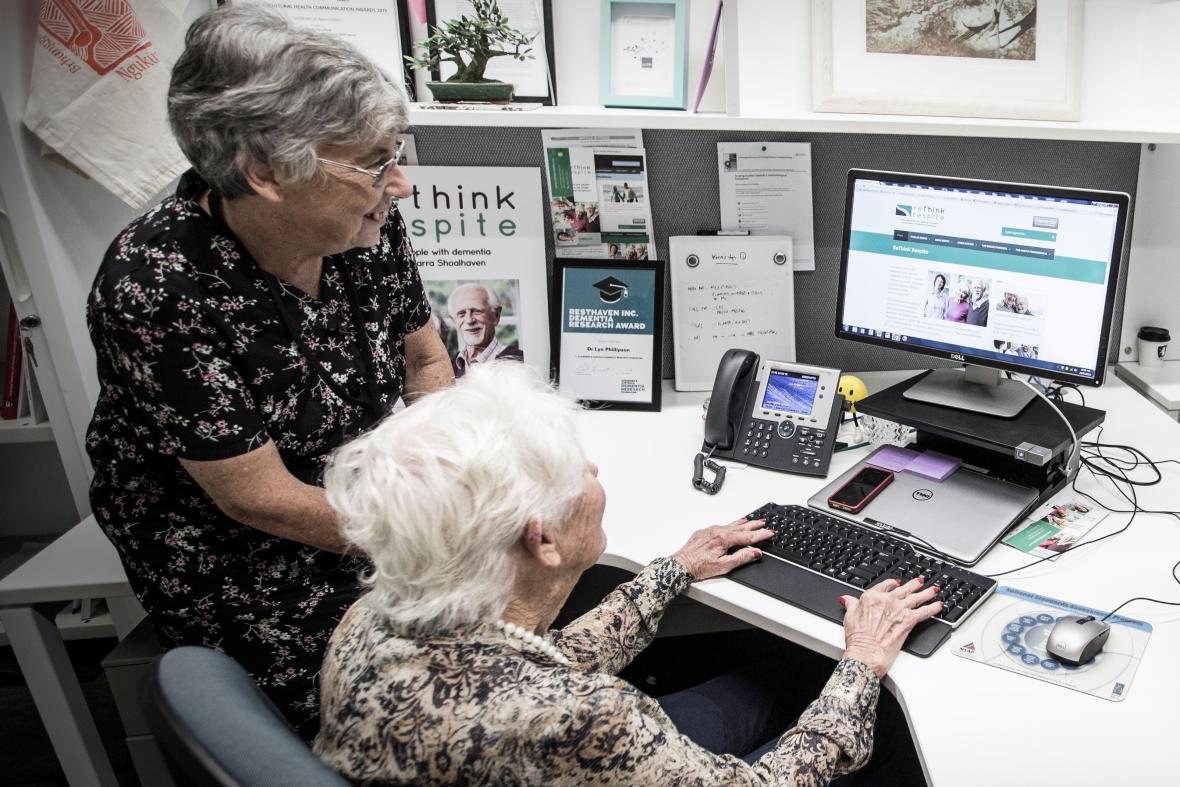
Living Connected volunteers have delivered digital health training to more than 60 people in 2023–24. Feedback has been overwhelmingly positive – participants were impressed with the range and ease of access to correct and practical health information.
'Older people like to be in control, to manage things themselves. And if you can get them to do one thing on their device that's meaningful to them, it really helps their confidence to learn more,' Managing Director of Living Connected Professor Helen Hasan said.

C3.0 Connect. Care. Confidence. 2025 Summit – 18 February 2025 | Virtual
Be part of the future of health care at this year's C3.0 Connect. Care. Confidence. 2025 Summit, streaming live on Tuesday 18 February from 10 am to 4 pm (AEDT).
Co-hosted by the Australian Digital Health Agency and the Australian Commission on Safety and Quality in Health Care, this interactive event brings together leading experts, clinicians, service providers and consumers.
Friday 14 February is the last opportunity to register for this free virtual event. More details on all speakers, sessions and registration can be found on the Connect. Care. Confidence. 2025 website.

Cyber security for your practice – 26 February 2025 | Virtual
Join the Agency together with Allied Health Professions Australia to learn more about cyber security, how you can protect your business and what is being done to protect digital health information. The webinar will cover key cyber security concepts including ransomware, password security, phishing scams, network and device security and how to respond to any breaches.

If you’re looking for a role that’s professionally and personally rewarding and offers career growth and mentoring, check out the latest jobs at the Australian Digital Health Agency.
- Asset Manager – Information Technology Services – applications close 18 February, 11 pm (AEDT)
- Senior Lawyer Register of Interest – applications close 28 February, 11 pm (AEDT)
- Temporary Employment Register – always open
- APS Section 26 Transfer - Permanent and Temporary - Employment Register – always open
See more vacancies on our careers page.

The world of digital health evolves in a heartbeat. Help us stay on the pulse by sharing your thoughts, news and ideas.
Email: social@digitalhealth.gov.au
Subscribe: To keep up to date with digital health news, events and more.
Follow: Like, follow and join the digital health conversation.
